Super Bugs Clash
A cooperative antimicrobial-resistance board game built around antibiotic use, self-medication, medicine sharing, adherence and One Health. AFHEG has documented 200 sessions across Kampala, Wakiso and Mukono.
Explore the game →
AFHEG combines digital learning, serious games, youth-led engagement, health communication and research because health literacy is not built through one format alone.

Smarty is AFHEG's digital learning platform for young people. It brings together structured health and climate content through courses, quizzes, video lessons, explainers, podcasts, certificates and game-based learning.
The platform is designed to extend learning beyond one-off events and to support both school-based and individual learning.
A cooperative antimicrobial-resistance board game built around antibiotic use, self-medication, medicine sharing, adherence and One Health. AFHEG has documented 200 sessions across Kampala, Wakiso and Mukono.
Explore the game →A mental-health learning game designed to open practical conversations around wellbeing, choices, support and help-seeking.
View in game hub →A health-systems simulation exploring capacity, roles, resource pressure and the way decisions in one part of a system affect another.
View in game hub →A public-information simulation focused on how people receive, verify, simplify and communicate information under pressure.
View in game hub →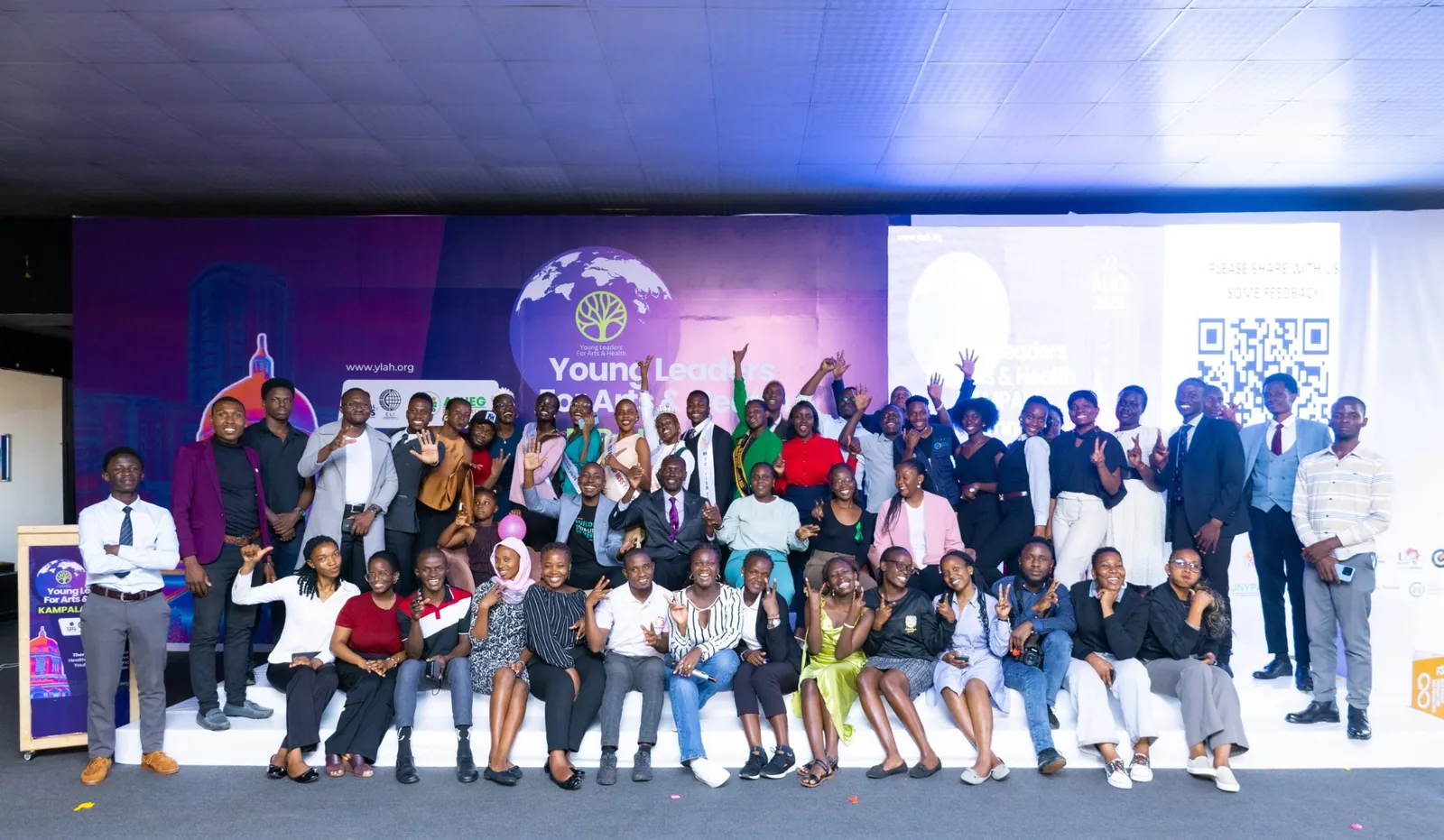
The Health Defenders Programme develops young people as peer communicators and community-engagement actors. Participants build practical skills in health literacy, facilitation, communication and responsible information-sharing.
The programme is designed so learning can move beyond AFHEG-led sessions and continue through peer interaction, school activity and community engagement.
AFHEG works with young people, students, institutions and programme teams on health communication, storytelling, risk communication, audience understanding, misinformation, facilitation and communicating evidence responsibly.
Discuss training or supportDocumenting who participates, what is delivered, what works operationally and where delivery needs to improve.
Tracking immediate learning, participant experience and the limits of what programme data can support.
Working toward stronger evidence on retention, behaviour, implementation fidelity and how learning tools perform across contexts.
Antibiotic use, resistance, health-seeking decisions and human-animal-environment connections.
How environmental change, climate pressures and health connect in everyday life.
Wellbeing, stigma, communication, support and help-seeking.
Youth-centred, understandable health information and discussion.
Patient safety, capacity, access, system pressure and service trade-offs.
Verification, interpretation, simplification and responsible communication.
AFHEG works with partners on research and evaluation, programme implementation, school and community delivery, serious-game deployment and adaptation, digital learning, youth engagement, health communication and co-designed learning experiences.
Start a partnership